C&C

C&C Bangladesh

What We Do

Our Services

From nitrogen purging to cryogenic equipment installation — engineered, fabricated and commissioned by our expert team across Bangladesh.

Nitrogen Purging of NG Pipeline/LPG Tanks
01

Nitrogen Purging of NG Pipeline/LPG Tanks

High Pressure Nitrogen Purging (5000 psi)- Pressurizing a gas well with nitrogen (often via coiled tubing or annulus injection) uses an inert, non-reactive gas to unload fluids, reduce hydrostatic head or stimulate production in declining or shut-in reservoirs. High-pressure gas is circulated downhole to displace heavier fluids (water, mud, hydrocarbons), lightening the fluid column so the well can flow naturally to achieve the desired levels efficiently.Typically, nitrogen standard pressure 6.5 Barg in storage tank. However, specific applications may require significantly higher pressures, ranging from 100 to 300 Barg. For pressures above 13 Barg, nitrogen pump/booster are required.Low Pressure Nitrogen Purging: (15 bar)Adding nitrogen into the system, vessel, pipeline which pushes out the existing air or gases. This displaced air is vented, leaving a nitrogen-rich environment behind. Nitrogen purging helps improve safety, protect product quality, and maintain proper conditions in many industrial applications.Nitrogen purging ensures a controlled environment that is conducive to safe operations and the preservation of equipment and materials.On the other hand, flushing aims to cleanse systems, remove contaminants, and achieve suitable process conditions. Newly laid pipeline network and sometimes after maintenance and shutdown work nitrogen purging in pipelines is performed. This inert gas helps to mitigate the risk by overriding hazardous fire/explosion forming agents like oxygen. To displace undesirable limit.Nitrogen purging in pipelines is a pretty straightforward procedure.Pressurized nitrogen gas is forced through pipelines that force out all gaseous and particulate impurities present inside.Nitrogen purging calculations determine the exact volume and flow rate of nitrogen required to safely displace hazardous or reactive gases (such as oxygen) from a vessel or piping system.

Read More
Cryogenic Tank Maintenance/Repair
02

Cryogenic Tank Maintenance/Repair

Cryogenic tank maintenance and repair services ensure the optimal performance and safety of cryogenic storage systems. These services typically include vacuum insulation repairs, helium leak detection, structural refurbishment, valve and piping maintenance, and periodic inspections. They are essential for preserving the integrity of tanks used to store liquefied gases at extremely low temperatures, preventing leaks, corrosion, and operational failures. Whether performed on-site or in specialized facilities, these services help extend the lifespan of cryogenic tanks and maintain their efficiency.

Read More
Fabricate Vacuum Jacket pipeline for cryogenic liquid
03

Fabricate Vacuum Jacket pipeline for cryogenic liquid

Fabricating vacuum jacketed pipelines for cryogenic liquids involves designing and constructing specialized piping systems that ensure efficient and safe transfer of cryogenic substances like liquid nitrogen, oxygen, or argon. These pipelines feature an inner pipe for the cryogenic liquid and an outer vacuum jacket that minimizes heat transfer, preventing evaporation and maintaining the liquid's low temperature. This service is essential for industries requiring precise temperature control and reliable transportation of cryogenic materials, such as healthcare, research, and energy sectors.

Read More
Vacuum Jacketed Piping
04

Vacuum Jacketed Piping

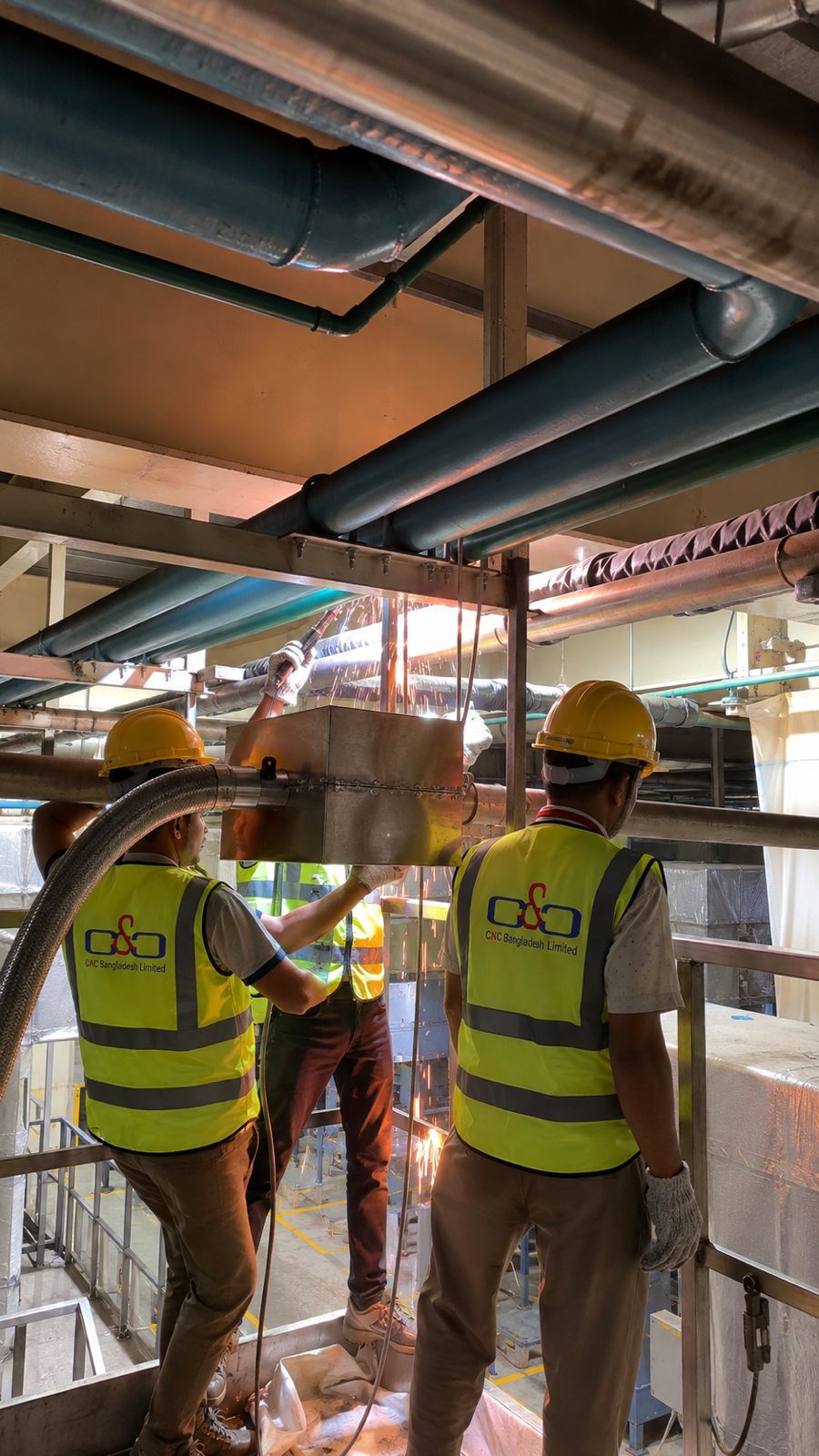
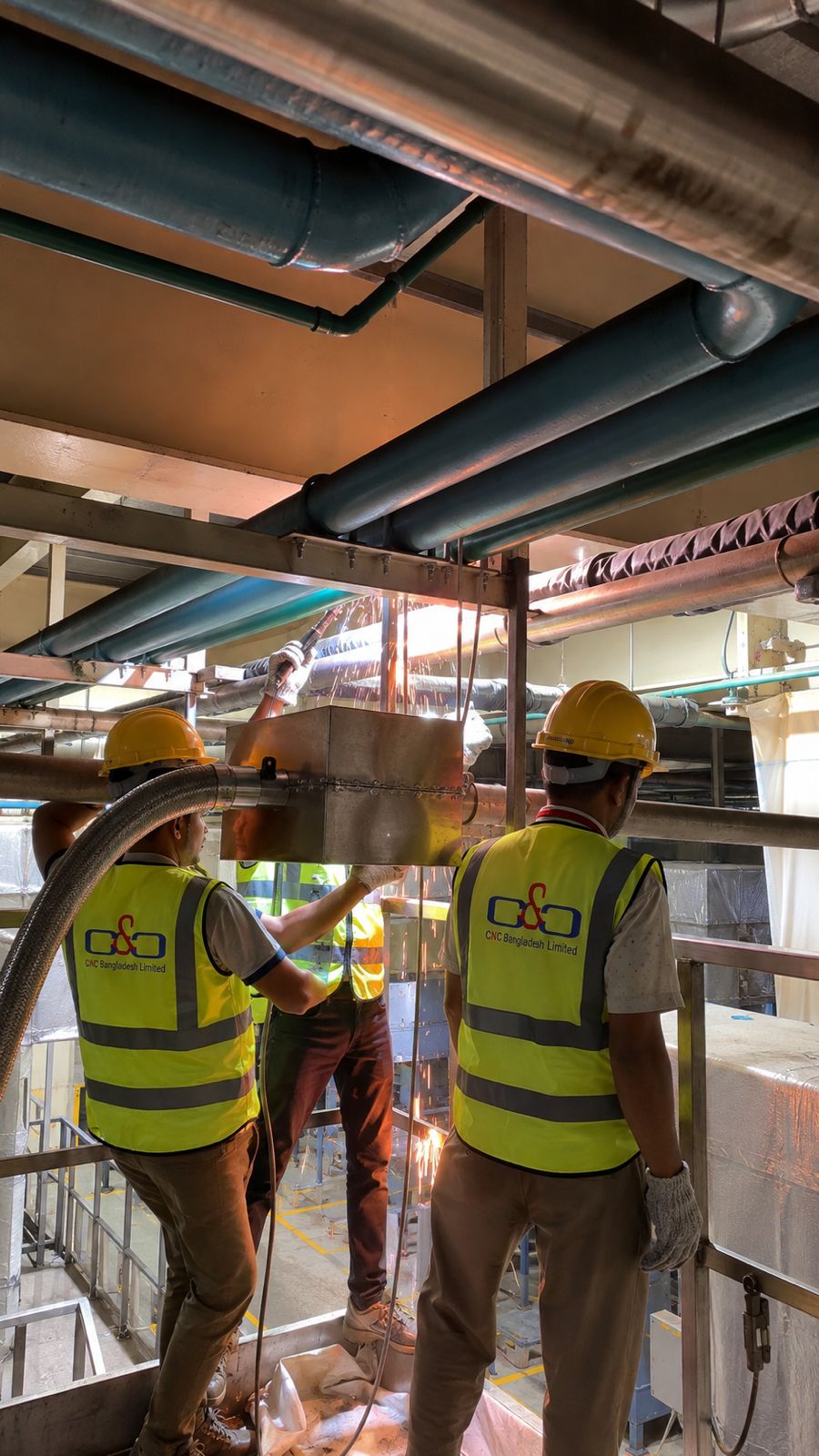
vacuum jacketed piping (VJP) is a dual-pipe system with an inner carrier pipe for supercooled cryogenic liquids like liquid nitrogen (-320°F or -196°C) and an outer jacket with an evacuated space to eliminate heat transfer.  Inner Pipe: Carries the cryogenic liquid nitrogen and is usually made of 300-series stainless steel designed for extreme cold.Annular Space: The gap between the inner and outer pipes where air is evacuated to form a high-vacuum thermal barrier (often below 10⁻⁴ torr)Super-Insulation: Multiple layers of reflective radiation foil wrapped around the inner pipe to block radiant heat transferOuter Jacket: A protective outer metal shell that maintains the vacuum seal and supports the entire assembly.Installation and Assembly Steps:Alignment and Positioning: Place the dual-wall sections according to engineering drawings and slip a protective outer sleeve or coupling over the joint area.Inner Weld: Weld the inner flow pipes together first and complete required non-destructive testing or inspections.Jacket Closure:  Slide the outer sleeve over the welded inner joint, making sure any vacuum or fill nozzles face upward.Outer Weld: Fully weld the girth seams on both sides of the outer sleeve to seal the outer jacket.Evacuation and Sealing:Evacuate the annular space or seal the system depending on whether it is a dynamic or factory-sealed setup.

Read More
Fabricate Gas Pipeline/Manifold/Gas Skid
05

Fabricate Gas Pipeline/Manifold/Gas Skid

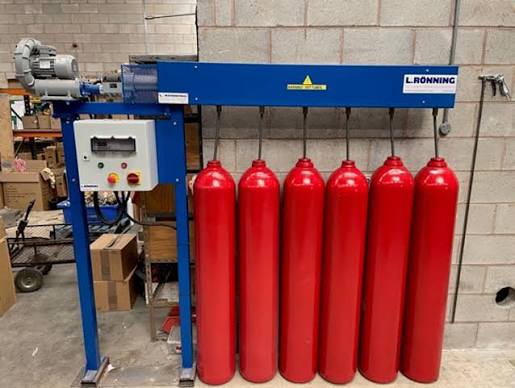
Fabricating gas pipelines, manifolds, and gas skids involves designing and constructing custom systems for the efficient transport, distribution, and regulation of gases. These solutions are tailored for industries such as petrochemicals, healthcare, and energy, ensuring optimal safety, performance, and compliance with industry standards. Gas pipelines provide a secure channel for gas flow, manifolds distribute gases across multiple points, and gas skids integrate equipment for storage, metering, or pressure control in a compact, modular format. This service supports operational efficiency and reliable gas management in industrial applications.

Read More
Cylinder Testing
06

Cylinder Testing

Cylinder testing is a vital service to ensure the safety, functionality, and compliance of gas cylinders used in various industries. This process involves inspecting cylinders for leaks, damage, corrosion, or pressure irregularities. Testing may include hydrostatic testing, ultrasonic examination, and visual inspections to verify their structural integrity and operational reliability. Regular testing prevents accidents and ensures cylinders meet regulatory standards, making them safe for storing and transporting gases.

Read More
High Pressure Gas Filling, 300 Bar
07

High Pressure Gas Filling, 300 Bar

High-pressure gas filling at 300 Bar involves safely and efficiently compressing gases into cylinders or storage vessels at extremely high pressures. This service is essential for industrial applications requiring large volumes of gases like nitrogen, hydrogen, or argon in compact spaces. It ensures precise pressure control, purity, and compliance with safety standards, making it suitable for industries such as manufacturing, healthcare, and energy.

Read More
Liquid Nitrogen Dewar Filling
08

Liquid Nitrogen Dewar Filling

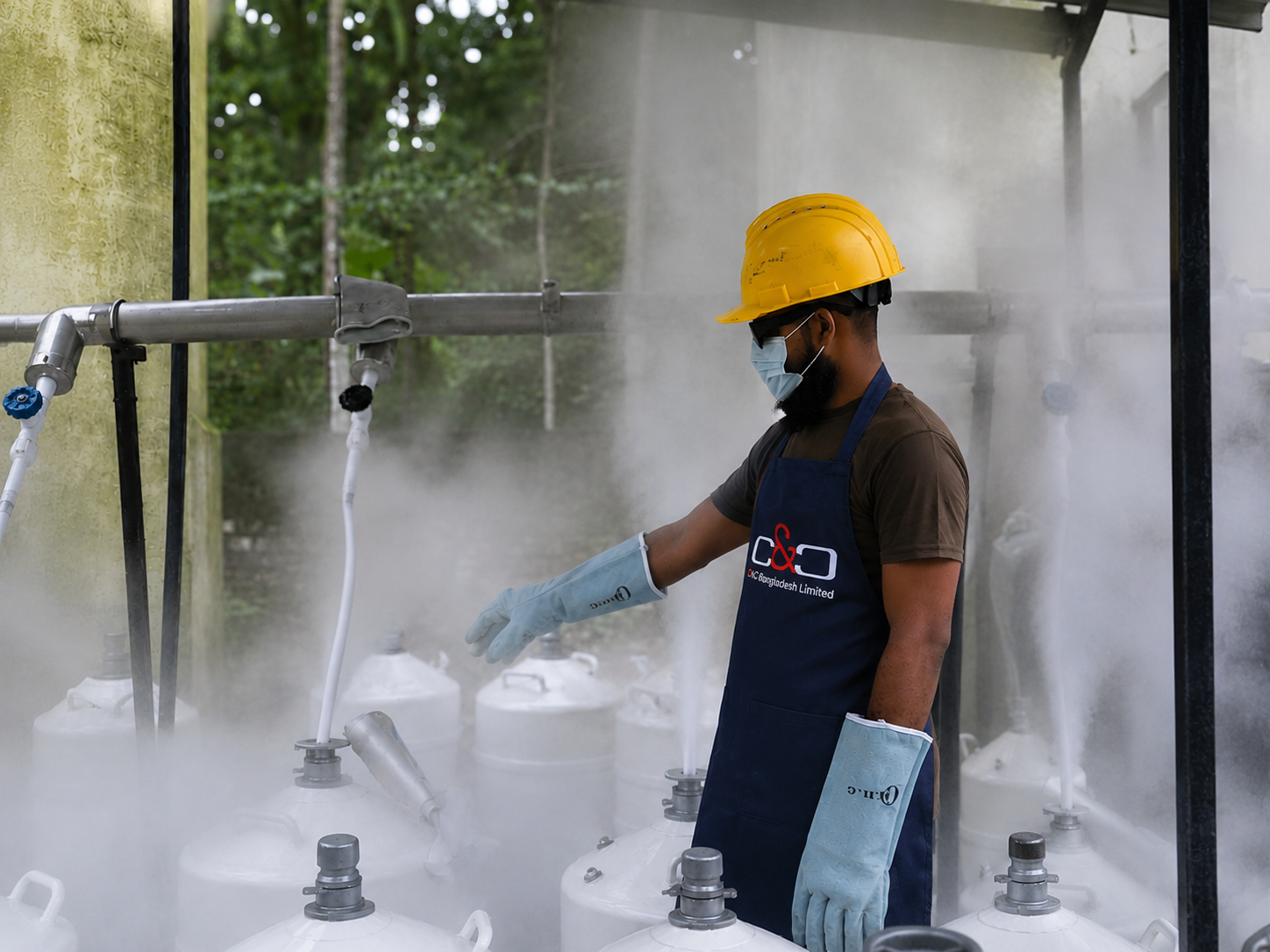
Liquid nitrogen Dewar filling involves transferring liquid nitrogen into specialized Dewar flasks designed for safe storage and transportation of cryogenic liquids. This service ensures precise handling to minimize spillage, maintain purity, and preserve the low temperature of the liquid nitrogen. Dewar filling is essential for applications in laboratories, healthcare, and industrial processes, providing a reliable supply of liquid nitrogen for various critical uses.

Read More
VIE/Pump/Cylinder Filling Station installation & commissioning
09

VIE/Pump/Cylinder Filling Station installation & commissioning

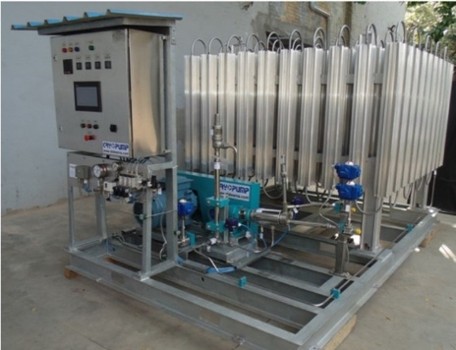
The installation and commissioning of VIE (Vacuum Insulated Evaporator), pump, and cylinder filling stations involve setting up systems for the efficient storage, transfer, and filling of industrial or medical gases. This service includes assembling and calibrating equipment such as cryogenic pumps, storage tanks, and filling stations, ensuring they operate safely and meet industry standards. The commissioning process involves testing and fine-tuning the system to ensure optimal performance, reliability, and compliance with safety regulations. This service is essential for industries requiring precise gas handling and distribution solutions.

Read More
Different Gas Plant Installation & Commissioning
10

Different Gas Plant Installation & Commissioning

The installation and commissioning of different gas plants involve setting up and integrating systems for the production, storage, and distribution of industrial or medical gases. This service includes assembling and calibrating essential equipment such as compressors, purification units, storage tanks, and distribution pipelines. The commissioning phase ensures that the plant operates safely, efficiently, and in compliance with industry standards. This process is critical for industries relying on gas plants for reliable and consistent gas supply.

Read More
Cryo-freezing
11

Cryo-freezing

Cryo-freezing is a specialized service that involves preserving biological materials, food products, or industrial components at extremely low temperatures using cryogenic technologies. This process helps maintain quality, prevent spoilage, and extend the shelf life of various items. Cryo-freezing is widely used in industries such as healthcare, food production, and research for applications like tissue preservation, sample storage, or freezing perishable goods.

Read More

Need a specialized gas system?

Tell us about your project — our engineers will design, fabricate and commission the perfect solution.
Request A Quote